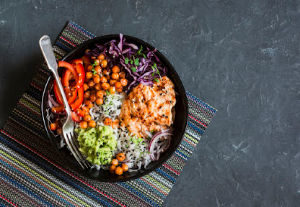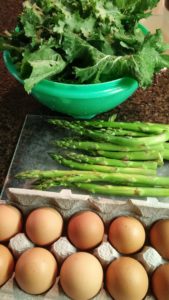
Start with spinach greens, fresh dill, fresh parsley and purple cabbage.
Salad Brings Good Nutrition to the Table
When the weather heats up, I feel like a light and crunchy salad meal. It’s cool and refreshing, full of flavor and so easy to toss together in my kitchen. What about you?
I don’t necessarily think about all the vitamins, minerals, antioxidants lurking in my salad starter greens. But, when I do, I feel even better about the powerful nutrition on my plate.
Start with Greens
A salad meal typically starts with greens. Any greens. Dark green spinach, Romaine lettuce and/or arugula are tasty. Shredded green cabbage or soft leaf lettuces work great, too. I like even more flavor with my greens, so I typically add one or two chopped fresh herbs like parsley, dill, oregano or mint. You can do that, too!
Add Salad Toppers
There are no limits to what can be used to top your salad. First, I like excellent nutrition such as carrots, tomatoes and shredded purple cabbage. The more colorful, the better. Next, add a protein-rich salad topper such as cut-up hardboiled egg, flaky canned tuna, almonds, cheese, leftover chicken or turkey. Finally, add a favorite summer fruit such as berries, cut-up nectarines or melon.
Dress Lightly
Making salad dressing is not difficult and it’s a healthy choice compared to most bottled options. There are many varieties and easy recipes for each one. Making a batch of dressing to keep on hand in the fridge can be a helpful time-saver if you intend to use it up within 7-10 days.
Hydrating your body needs to be a #1 priority. This means when you are excising and sweating and when you are doing everyday things like working or going to school or walking the dog.
Why is Hydrating your body a good idea?
The human body is more than 3/4 water – that’s why! Your brain and other vital organs, skin and muscles are all water-based and we lose water little-by-little, all the time. Believe it or not, more water is lost through the skin than anywhere else. Putting hydrating liquid back into our body keeps everything working smoothly and it also helps keep away illness.
Hydrating liquids to try – 3 options
1. Coconut water is a natural liquid that’s high in potassium and, partly because of this, it is good at hydrating you. If the flavor is not appealing, then try mixing it with pineapple juice.
2. Fruit juice popsicles can be made at home in a fun, plastic mold with handles. Any kind of 100% fruit juice works and it is a fun, hydrating treat for kids, teens and adults.
3. Water is a hydrating liquid so be sure to drink it before, during and after exercise. And, everyday, make it a habit to drink at least 6-8 cups of water, or more.
What are you waiting for?
Staying well hydrated is a great way to feel well and be well. Take action and plan for a day of liquids today, and everyday!
The leaves are changing and funny/scary costumes are on the horizon. Better yet, fall brings meals and snacks that overlap beautifully with the season of bright orange pumpkins for a “perfect storm” of good nutrition.
Good Nutrition News!
Pumpkin falls near the top of a list of the healthiest vegetables for everyone. It has fewer than 50 calories in 1 cup cooked and over 250% of the RDA (recommended daily allowance) for vitamin A for adults. In addition, pumpkin is mildly anti-inflammatory which means it is ‘kind’ to the body’s cells and physiology in general.
Fun With Pumpkin!
For many families, a fresh pumpkin is carved into a fun jack-o-lantern and the seeds are scooped out and reserved for toasting in the oven with a little oil and salt. There’s great nutrition in the seeds, by the way, with nearly 20% of the RDA for magnesium and zinc. A big pumpkin, though, simply does not fit into the family pantry for cooking purposes. What does fit into the pantry is a convenient and nutrient-dense can of solid-pack pumpkin. Its one ingredient, pumpkin, is versatile and full of flavor.
Pumpkin for Breakfast!
Pumpkin and breakfast? Why not? By pairing the morning meal with a highly nutritious squash, everyone is in for a blast of good nutrition and a tasty, new waker-up. Go ahead, try one of these totally simple pumpkin recipes, or try both!
Pumpkin-Apple Pancakes: Mix together 1 cup Bisquick Heart Smart Baking Mix + 1 cup whole wheat flour + 1 1/4 cups nonfat milk + 1 large egg + 1/2 – 3/4 cups solid-pack pumpkin + 1/2 teaspoon pumpkin pie spice. Cook into pancakes. Serve with warmed applesauce and a little cinnamon-sugar.
Pumpkin Cream Cheese and Bagel: Mix together until creamy 8 oz light cream cheese + 1/4 cup solid-pack pumpkin + 1 Tbsp brown sugar + 1/4 tsp pumpkin pie spice. Serve with a fresh mini bagel.
Creating a Healthier Kitchen
For tips,easy home recipes,nutrition wisdom and more,please LIKE my facebook page. Then,visit frequently!
I have become a believer in colorful peppers this summer-into-fall. Not only are they a feast for the eyes, but they also add a sweet, rich flavor to your kitchen recipes. In the last month, I’ve chopped up colorful peppers for cold salads, cooked them in a stew, sauteed them for a side item, and made them into black bean chili. Beautiful, versatile, nutritious, delicious is what you can discover with peppers!
Making Fall Chili with Peppers
Making chili starts with a favorite recipe and there are plenty of them in cookbooks, online and in your family collection. Also, chili can be made with lean ground beef or lean round steak as a starter. Or, chili can be made vegetarian-style. Colorful peppers will enhance every chili recipe, so simply wash them, remove seeds and cut into small strips or random chunks. Then, toss the peppers into your chili as it simmers on the stove or in the crock pot. You’ll be amazed at the wonderful aroma in your kitchen and the burst of new flavor in your chili. Enjoy!
Creating a Healthier Kitchen
For tips, easy home recipes, nutrition wisdom and more, please LIKE my facebook page. Then, visit frequently!
Have you every tried black beans? If not, I recommend you do. You can eat black beans as part of breakfast, lunch or dinner. You can combine them with rice, couscous or quinoa, 3 healthy and tasty grains. The nutrition of black beans is excellent and, due to their very high fiber and protein contents, they keep you feeling full for hours.
Easy Black Bean & Sweet Pepper Salad Recipe
Ingredients to gather: 1 can black beans (15-16 oz); 2 cloves garlic; 1/2 sweet Bell pepper or other sweet pepper (red or green); 1/2 onion; 1 stalk celery; 2 Tbsp parsley or cilantro; 1/2 lemon or lime; 1/2 tsp ground cumin; pinch salt and pepper; 2 tsp vinegar; 2 Tbsp olive oil.
Directions to make salad:
Drain black beans, rinse off with cool water and put into a large mixing bowl. Add all other ingredients to the beans after preparing like this:
Peel and crush or mince garlic.
Wash, chop or thinly slice sweet pepper.
Peel and chop onion.
Wash and chop celery.
Wash and chop parsley/cilantro.
Squeeze juice from lemon/lime.
Measure cumin, salt, pepper, vinegar, oil.
Mix it all together and serve right away. Or, cover and chill in the fridge for up to 24 hours and then serve.
To Learn More
For more affordable and easy ways to add flavor to yours and your family’s meals, LIKE my facebook page and sign up for my monthly, informative E-Newsletter…today!
Power-up with good nutrition for a successful year!
Good Nutrition Essentials for Back-to-School
Kids’ bodies run best on nutritious foods – as do adult’s. Kids feel better when they are pleasantly full – as do adults. Kids like to eat with family and friends – as do adults. Get the point? We all thrive on good nutrition in moderate portions eaten with those we care about.
3 Essentials for Families
1. Plan ahead – Make a smooth transition with well-planned meals, grocery list and recipes. Use a pencil and paper, laptop or smart phone to get organized for a cheaper food bill and less stress.
2. Get the family together for meals at home – Put a quick breakfast and home-cooked dinner on the meal table as often as you can. Simple combinations of basic foods will nourish everyone best and keep cleanup reasonable.
3. Be a healthy-eater role model – Lead by example, every day and every meal. It’s as easy as sharing an apple while helping your child with homework or pouring a glass of 1% low fat milk for everyone at the dinner table.
Please LIKE my facebook page for everyday handy tips,ideas and recipes for your healthy kitchen!
The legend of Johnny Appleseed is fun to read about while munching on a favorite late-summer or early-fall season apple. Apples are full of flavor, fiber and crunch and they’re versatile in meals and snacks. Take a look at this handy Apple Buyer’s Guide to learn more about apple varieties and how to use them. Then, wander over to your kitchen and make an easy and tasty apple recipe!
Fresh Apple Salad – A sweet and crunchy side dish for any meal or serve it for dessert!
Ingredients: 3 medium apples; 1 teaspoon fresh lemon juice; 3/4 cup lemon or lime yogurt; 1/4 cup plain nonfat yogurt; 1/4 teaspoon ground cinnamon (optional)
How to Make: Wash apples. Remove core and seeds. Cut apples into bite-size pieces and place in a bowl. Squeeze lemon juice over apples. Stir. Add both yogurts to apples. Stir. Sprinkle with cinnamon. Makes 4 servings.
Nutrition per serving: 80 calories; 0 gm fat; 0 gm saturated fat; 0 trans fat; 0 mg cholesterol; 40 mg sodium; 19 gm carbohydrates; 3 gm fiber; 3 gm protein
Easy menus and recipes are healthy and do-able! Check out my affordable e-books for homemade flavors you and your family will love!
Can you believe that 1/3 of all Americans skip breakfast? Are you one of them? Are your kids? If breakfast is a hard meal to ‘muster’ in your household then listen up for some nutritious and delicious options. Because…breakfast is a most important meal of the day!
Breakfast Options
Thinking out of the (cereal) box is a good starting point for breakfast. There are many, many options and no rules about what to put on your plate. Maybe traditional morning foods don’t excite your taste buds and that’s OK. Choose what’s appealing with good nutrition to power you, and yours, every morning.
Breakfast Combinations to Try
1. Black beans with ready-to-serve brown rice + sliced tomato and/or avocado + fresh peach + 1% milk
2. Ready-to-serve brown rice + scrambled or fried egg + fresh apple + 1% milk
3. Walnuts and diced peach or nectarine + low fat yogurt + ‘light’ or homemade granola + tea/coffee
4. Hard boiled egg + black beans + cabbage-tomato salad + 1% milk
5. Cottage cheese + pineapple tidbits + crunchy granola bar + 1% milk or yogurt
Please LIKE my facebook page for everyday handy tips,ideas and recipes for your healthy kitchen!
3. Try to work each fruit/veggie into a healthy meal or snack.
Hints:
1. Fresh fruits can be a part of breakfast, lunch or dinner…or, a snack. One easy way to prepare them is to wash in cold tap water, peel (depending on the fruit) and eat.
2. Fresh veggies can be eaten raw, in most cases, or cooked. One easy way to cook them is to wash in cold tap water, cut and microwave.
Solution to the Game (left to right):
1. Santa Rosa Plums – Very sweet and a tiny bit tart. Wash and eat for dessert.
2. Athena Cantaloupe – Sweet, juicy and flavorful. Wash, peel and eat as a refreshing snack.
3. Jimmy Nardello Peppers – Sweet, not hot, flavorful peppers. Wash and cut into a pasta salad for lunch or dinner.
4. Aristocrat Zucchini – Mild, fresh squash flavor. Wash, slice lengthwise and grill with a little olive oil for dinner.
5. Elephant Garlic – Mild flavor with large cloves. Peel and mince, then sprinkle onto a homemade pizza for lunch.
Looking for more help? LIKE me on Facebook for everyday solutions to a healthier kitchen!
It is an awesome time of year to go shopping for local, seasonal fruits and veggies. You can find them at your local farm market, roadside stand or supermarket. Stock up now while the summer harvest is ‘rolling in’ and you’ll be glad you did.
What to Do with Summer’s Bounty!
Shopping for healthy summer produce is one thing and figuring out what to do with it once you get home is another. Buy too much? Lacking inspiration to get into the kitchen and cook? Confused how to use it all up? Here’s some help.
Summer Ideas for Your Healthy Kitchen!
Corn on the cob – Rip off the husk and silk first. Option 1: Wrap in aluminum foil and roast on the grill for 7-10 min. turning twice. Option 2: Wrap in waxed paper and cook in microwave. Option 3: Carefully cut raw kernels off the cob using a sharp knife and cutting board. Cook in microwave with 1/2 inch water, a pinch of sugar and ground cumin.
Eggplant, zucchini, yellow summer squash – Wash and remove ends. Slice lengthwise into 1/4 inch thickness. Sprinkle with about 2 tablespoons olive oil and Italian herbs of choice. Grill about 6-8 min, turning twice.
Tomatoes – Wash, remove core and discard it. Option 1: Slice into 1/4 inch thickness. Layer with chickpea hummus and top with chopped fresh parsley. Option 2: Chop into bite-size pieces. Drizzle the top with a little olive oil and fresh lemon juice, and a pinch of salt and pepper. Option 3: Chop and add lots of them to your favorite pasta salad.
Fresh peaches – Wash, remove seed and discard it. Option 1: Slice into small wedges, sprinkle with ground cinnamon and a pinch of sugar. Option 2: Chop and mix into your chicken or turkey salad. Option 3: Chop and mix with vanilla yogurt.
Ongoing Ideas for Your Healthy Kitchen!
Looking for more help? LIKE me on Facebook for everyday meal and snack solutions for a healthier kitchen!
Local Farmer's Markets deliver fresh and affordable!
Fresh Food Supports Your Community’s Farmers & Stocks Your Healthy Pantry
If you are looking for a fun way to spend 30-60 minutes and come away with some very tasty fare, try your local Farmer’s Market. Summer is here and locally grown fruits and veggies don’t get any better. They’re tasty, cheap and smart choices for good health.
What’s in Season Now?
In North Carolina, there are awesome varieties of fresh fruits and veggies coming into local Farmer’s Markets this month. To name a few, we have broccoli, lots of greens, yellow squash, onions, basil, parsley, peaches and blueberries. Tomatoes, eggplant and peppers are coming soon. I can’t wait!
Thank you to my good friend, Natalie, for her beautiful display at the Dixie Classic Farmer’s Market yesterday. My photo shows Natalie’s table with a variety of Savoy cabbage, broccoli florets, sweet basil and nasturtium flowers which are edible.
Do you set expectations for meals and snacks that are too high? Does your grocery cart overflow with foods that are perishable and/or require a lot of fancy preparation? Too often, do you end up throwing away half your perishables and not making that special recipe, wasting food and money?
Get Simple. Eat Well. Save Money.
1. Focus your menu. Build a week’s menu around 5 simple foods like cantaloupe, sugar snap peas, cucumbers, skinless chicken thighs and instant brown rice. Remember, grocery shopping can be fun!
2. Plan to eat well. Make whole chicken thighs on the grill with a pinch of mixed dried herbs and garlic powder. Or, stir them in a skillet with the fresh peas, a splash of soy sauce and a few drops of sesame oil. Get the rice cooking so that it will be done on time. Cut up the cuke and drizzle it with oil and vinegar.
3. Save money. Plan very carefully before buying perishables like meat, chicken, fish, milk, fruits and vegetables. Write down when and how you will use them up – before they spoil. Thin out other foods you keep in the kitchen. Buy simple foods and store brands every shopping trip.
Olive oil is at the core of the Mediterranean Diet.
What is Mediterranean Month?
Mediterranean Month is celebrated throughout May. The Mediterranean Diet, though, has powerful nutrition and awesome flavors that deserve attention all year long. Just as important to good health in the Mediterranean is a unique lifestyle that emphasizes an appreciation for food, its enjoyment and fresh air.
Foods Central to the Mediterranean Diet
Olive oil, zucchini, tomatoes, fresh basil and rosemary, artichokes, crusty bread, fish, shellfish, red wine, pasta, feta cheese, garlic, olives and more.
Lifestyle Behaviors Central to the Mediterranean
Walking, playing with children, soccer, enjoying fresh meals slowly with family and friends, appreciating nature and all that it offers.
Let’s face it…bland food is not very exciting for anyone. The good news is that a simple sprinkle can make things better. In fact, dried spices and herbs can add fabulous flavor and great nutrition to your favorite dishes.
Flavors to Try
Being adventurous with food is a great approach for everyone. Here are a few shake-on options to sample:
1. Ground cinnamon goes deliciously with hot or cold cereal or a baked sweet potato. Sprinkle it on.
2. Ground cumin jazzes up a breakfast egg and cheese burrito or a lightly buttered ear of corn-on-the-cob. Sprinkle and enjoy.
3. Basil and/or oregano boosts flavors of pita bread pizza or mixed bean salad or soup. Sprinkle away.
Nutritional Benefits
While boosting flavors of your favorite foods, dried spices and herbs have a hidden nutritional surprise – antioxidants for good health! This is a powerful reason to stock your spice/herb cabinet and make them a part of every day.
In NC, strawberry season arrives in May. Just think of all the opportunities to include a sweet treat like fresh, local strawberries in your meals and snacks – it is definitely a long list. Adding strawberries is truly a smart idea, for flavor and great nutrition.
Nutrition Features of Strawberries
The simple truth is that strawberries ‘rock’ for good nutrition. One cup of berries cut into halves provides 3 times the daily requirement for vitamin C + 3 grams of fiber + health-enhancing antioxidants + only 50 calories. By anyone’s standards, this is one very healthy choice.
Meal Planning Opportunities with Strawberries
If you think that including fruits such as strawberries into your weekly meal plan is wise, then you are absolutely correct! In fact, never overlook the opportunity to add fruits and veggies into breakfast, lunch and dinner. It is the simplest way to build a healthier lifestyle for you and your family. Go ahead … start today with strawberries!
Get this — Our bodies are about 75% water. Our brains are about 75% water. And, we lose a significant amount of water every day under normal circumstances and good health. How can we replace these liquids? – by choosing hydrating drinks. How can we maintain our well-being? — by choosing hydrating drinks.
What drinks are hydrating?
Water is a top choice as a hydrating drink. Beyond the water faucet or fountain, consider these from the grocery store: 1% or fat free milk, decaffeinated tea or coffee, 100% fruit juice and water – bottled with or without bubbles of carbonation.
What drinks are not hydrating?
Typically, drinks with caffeine or alcohol are considered dehydrating, rather than hydrating. These include regular coffee and tea, hot chocolate, chocolate milk, beer, wine and hard liquor.
How many hydrating drinks are needed?
Most of us think it’s a good idea to drink 8 cups, 64 fluid ounces, of liquids every day. To benefit your body’s hydration, this amount is a good start. If you are very physically active or live in a warm climate, though, you need even more. Try this hydration calculator to figure out your personal needs.
Here’s a hydrating drink recipe!
Cindy’s Healthy Softdrink is made by mixing together 1/2 cup of 100% purple grape juice + 1/2 cup plain seltzer water or club soda + a twist of lemon or lime. Refreshing, tasty and hydrating!
An easy and tasty way to jazz-up your simple, home recipes may be as close as your own backyard, or a sunny window sill. These are ideal places to start an herb garden either from seed or from inexpensive plants you buy at the local garden center. With a little care and a half-day or more dose of sunshine, everyone can grow herbs.
3 Ways to Use Herbs (see photo)
Thyme, front left, adds flavor to soup, lean meat or a cold bean salad. Pull its tiny leaves off the stem and mince them.
Dill, rear left, adds freshness to cold shrimp salad, an omelet or vinaigrette-dressed potato salad. Chop the feathery herb.
Sage, middle right, goes well with poultry or a quiche. Add it in a small amount because of the strong flavor.
Fields of vegetables are growing strong in Monterey County’s Salinas Valley of California right now. It is a sight to see — spinach, lettuces, fennel, artichokes, carrots and cruciferous vegetables like broccoli and cauliflower stretch for miles on end.
Why is seasonal a smart choice?
Seasonal produce is a great choice for satisfying flavors and top-notch nutrition. Shop for the abundance from California as well as the local region of North Carolina. It’s a wonderful way to appreciate what America’s agricultural areas are doing for us every single day.
A fun, visual goal is to add more colors to your meal plate. This just happens to be the theme of this month’s National Nutrition Month ~ Eat Right With Color ~ and, handy tools can help.
If you have already mastered the colorful food goal, then try this online Rate Your Plate challenge to target a different, positive nutrition goal. Even for those who eat well, there are usually areas for improvement. Perhaps you need more fiber, more vitamin D, less salt or less saturated fat. It’s always best to choose and work on one goal at a time for realistic and successful behavior change. Good luck!
There’s no two ways about it — breakfast is not to be missed. Read on for 3 simple solutions to your breakfast dilemma and a fun video.
Why Eat Breakfast?
Energy, clear thinking and healthier weight are 3 top reasons never to skip breakfast. Making careful, nutritious choices for the morning meal makes good sense, too.
It is a challenge for most of us to choose nutritious foods day-after-day. Time gets in the way ~ planning, or lack of it, gets in the way ~ life gets in the way.
A Goal…
There are excellent reasons to make nutrition a top priority for you and your busy family. Good health depends on it ~ feeling great depends on it ~ enjoying life depends on it.
A Call to Action…
It’s Nutrition Month and everyone can benefit from making healthy choices in the grocery store and on their meal plate. Make it a family project to write a menu plan, organize that shopping list, create a tasty recipe and put a colorful meal on the family table. You’ll be so glad you did!
It’s time to get it together and eat meals with the family. Think of the fun…the homemade flavors…the time for relaxing. Not only that, but there is solid evidence that families who eat together are eating more nutritiously. And, kids in these families are learning all kinds of positive behaviors — everything from getting better grades in school to respecting the cook and the Earth in their daily lives.
Cookbooks Give You a Plan
Don’t be without a trusted cookbook when you are making your family dinner plan. Two favorite cookbooks of mine are written by my friend, Aviva Goldfarb, and are pictured at the right. I recommend both.
Tips for Successful Family Dinners
A few of Aviva’s tips are these:
1. Take the time to plan dinners for the week before you go to the supermarket.
2. Keep a grocery list somewhere in the kitchen where everyone can reach it so anytime a family member finishes an item they can add it to the list.
3. Keep meals simple and healthy, especially for weeknights when time is very tight. Save more complicated recipes for the weekend or when the kids are grown!
4. Make family dinners a habit and make sure all family members contribute by helping to cook, set the table, plan the menu and/or clean up.
Now, please leave a comment with a tip or two from your experiences at the family meal table!
Do you ever look in other people’s grocery baskets? Do you ever really look at what’s in yours? Here are a few pointers for a flavorful & healthful basket every trip:
Produce tip: ‘Flavor boosters’ include fresh garlic, garlic, lemons, limes, green onions, sweet peppers, fennel. Use these to add a ton of flavor and nutrients galore.
Bakery tip: Pick up whole wheat pita because it’s affordable and versatile for breakfast, lunch, dinner and snack attacks.
Deli tip: Make a simple meal from the deli with this menu: sliced lean roast beef or turkey breast + crispy cabbage slaw + macaroni salad + chunky fruit salad.
Seafood tip: Buy frozen fish and grill it from frozen. It’s loaded with protein and low in saturated fat.
Dairy tip: Go for nonfat (skim) choices such as cottage cheese, yogurt and milk. They are full of protein, calcium and vitamin D, but not saturated fat.
Frozen foods tip: Choose simple choices such as veggies without a salt ingredient and fruits without a sugar ingredient. Read your nutrition labels!
Feel free to leave a comment with one of your best grocery shopping tips. We can all use more of these.
There are quite a few good reasons to grow an early spring garden, among them fresh air, exercise and pride. But, perhaps an even more important reason is the inspiration a garden of edibles will provide to fuel your healthier lifestyle.
Plant Simple Greens, Garlic and Herbs
If you have a small area of soil in your yard, or a couple of planters, then you can grow simple, inspiring, spring crops. Here in NC, it felt like spring today and I couldn’t stop myself from getting out my gardening gloves and a small shovel to enjoy it. After clearing leaves and mixing composted soil into my garden, I planted seeds for kale and tri-colored Swiss chard. I even poked a dozen or so cloves of sprouting garlic from the supermarket into my garden.
How?
There are plenty of resources about gardening at the library, on the internet and at your local agriculture center. Take a look at these easy-to-understand tips for vegetable gardening. It’s so satisfying to grow something yourself and eating ‘green’ is a nutritious way to lead your life.
Please leave a comment about what you grow in your spring garden.